What Is Self Storage in Dubai? Definition, Types, and How It Works
Learn what self storage in Dubai is, how it works, its main types, costs, security, and how to choose the right option.
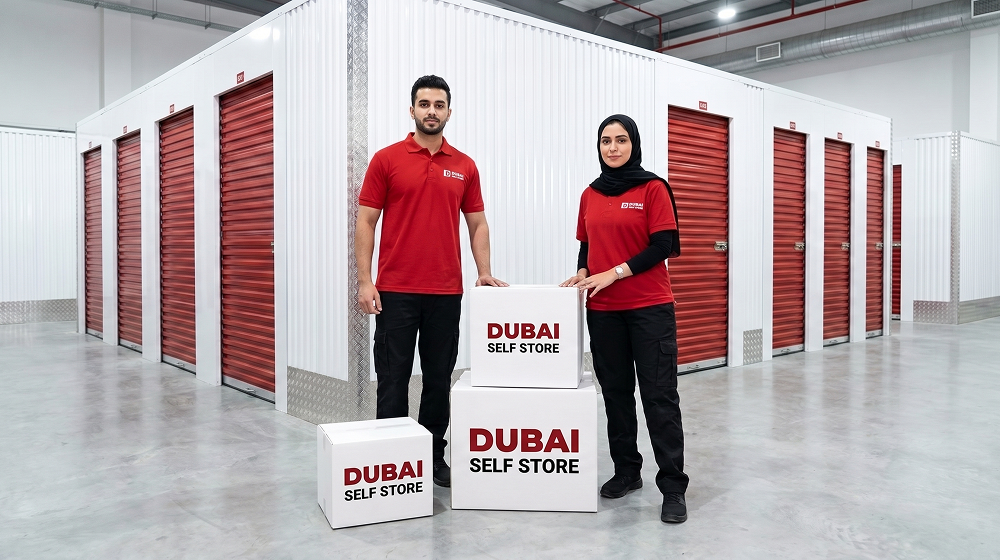
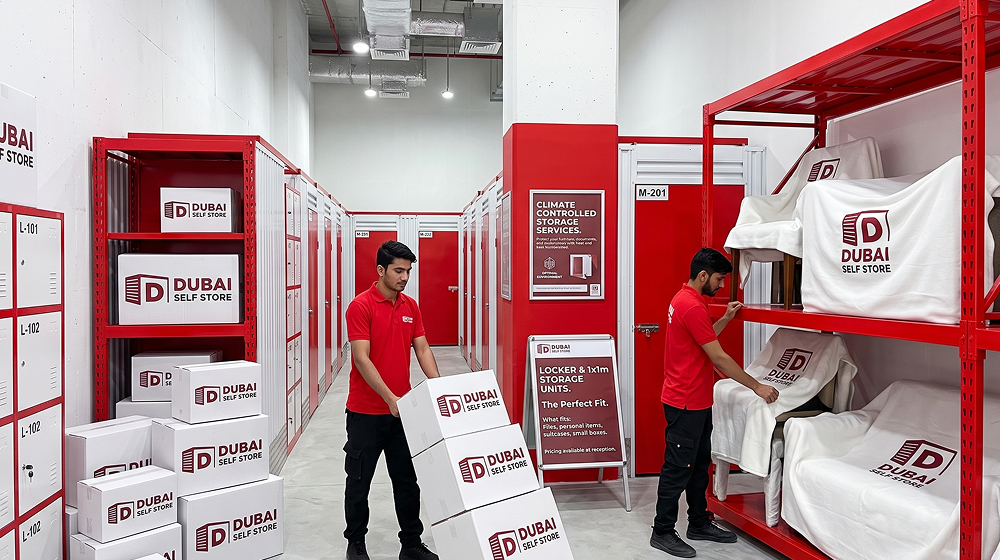
Self storage in Dubai is a paid storage service that allows individuals and businesses to rent a private storage unit at a dedicated facility for keeping belongings, furniture, documents, equipment, inventory, and other approved items. The renter controls the stored items, while the storage provider manages the facility, security systems, and storage environment.
Unlike traditional warehouse storage, self storage in Dubai is designed for flexible personal and business use. Customers rent only the amount of space they need and can use it for short-term or long-term requirements.
It works similarly to renting an extra room, except the space is used to store belongings rather than for living or working. Depending on the storage model, customers may either manage access to their own locked unit or choose a managed storage option where the provider handles collection, storage, and retrieval.
Dubai’s growing residential communities, frequent relocations, apartment living, and expanding SME sector have increased demand for flexible storage solutions. Residents often use storage during moves, renovations, or lifestyle changes, while businesses use it for inventory, equipment, and operational supplies.
What Is Self Storage?
Self storage is a rental-based service where customers receive dedicated space inside a storage facility to keep their belongings secure. Each customer has an allocated storage area, and the rental agreement defines the access terms, payment structure, and facility rules. The main purpose of self storage is to provide additional space without requiring customers to move into a larger property, rent a warehouse in Dubai, or permanently remove items they may need later. A storage unit can be used for:
- Household furniture
- Personal belongings
- Business inventory
- Office equipment
- Documents and archives
- Seasonal items
- Relocation storage
The key feature of self storage is control. In a private self-access model, customers keep control over their own unit and decide when items are added, removed, or organised. In managed storage models, the storage company manages the physical handling of items, allowing customers to request collection or retrieval when needed.
How Does Self Storage Work in Dubai?
Self storage in Dubai works through a straightforward rental process. A customer selects a storage option, agrees to the rental terms, moves belongings into storage, and accesses them according to the facility’s operating model. The process usually involves four main stages:
1. Choosing the Storage Space
Customers first select a suitable storage option based on the type and quantity of belongings they want to store. The required space depends on factors such as:
- Number of items
- Furniture size
- Business inventory volume
- Storage duration
- Access requirements
A person storing a few boxes will need a different solution compared with a business storing products or equipment.
2. Signing the Storage Agreement
Once the suitable storage option is selected, the customer agrees to the rental terms. The agreement typically covers:
- Rental duration
- Payment terms
- Access conditions
- Storage rules
- Items permitted inside the facility
Storage providers in Dubai may offer flexible rental periods depending on customer requirements.
3. Moving Items Into Storage
After the agreement is confirmed, belongings can be moved into the storage facility. Customers may:
- Move items themselves
- Arrange moving support
- Use provider-supported collection services where available
The storage method depends on whether the customer chooses a private self-access unit or a managed storage service.
4. Accessing Stored Belongings
Access depends on the type of storage model selected. In private self-access storage, the renter controls access to the unit through their own lock, key, PIN, smart card, or approved access method. In managed storage, the provider controls access and customers request retrieval when they need specific items. This difference is one of the most important factors when choosing between storage options.
The Main Storage Models in Dubai
Dubai storage providers generally offer three main storage models:
- Private self-access units
- Managed or valet storage
- Vehicle and specialist storage
Each model works differently depending on how much control, convenience, and access flexibility the customer requires.
Private Self-Access Units
Private self-access units are the traditional self storage model. Customers rent their own storage space and maintain control over the belongings stored inside.
The customer typically manages:
- Adding items
- Removing items
- Organising belongings
- Accessing the unit based on facility rules
This model is suitable for customers who want regular access to their stored items.Common uses include:
- Furniture storage
- Apartment storage
- Business inventory
- Office equipment
- Personal belongings
For example, a resident renovating a villa may store furniture in a private unit and return whenever items are needed. A small business may also use a self-access unit to store packaging materials, stock, or equipment while maintaining direct control over inventory.
Managed / Valet Storage (Per-Box Storage)
Managed storage, also known as valet storage, follows a different approach from traditional self-access storage. Instead of customers renting a private unit and managing access themselves, the storage provider handles the collection, storage, and retrieval process.
This model is useful for people who want extra space but do not need regular access to their belongings. Customers can arrange for items to be collected, stored at the facility, and returned when required.
Managed storage is commonly used for belongings that are not needed every day, such as seasonal items, travel luggage, archived documents, and smaller household goods.
The main difference between private self-access storage and managed storage is ownership of access control. In a self-access unit, the renter manages the unit directly. In valet storage, the provider manages the stored items and access process.
Vehicle and Specialist Storage
Some Dubai storage providers offer specialist storage options for items that require dedicated handling or additional space. These solutions are designed for belongings that do not fit standard storage requirements.
Vehicle storage is commonly used for cars, motorcycles, boats, and other vehicles that need a secure location when they are not being used. Residents may use this option when travelling for extended periods, relocating, or requiring additional parking space.
Specialist storage can also include document and archive storage for businesses that need organised space for records and important paperwork. Certain items, such as electronics, artwork, collectibles, or other sensitive belongings, may require storage conditions that match their specific requirements.
The suitable storage solution depends on the type of item being stored and the level of access or protection required.
Self Storage vs Warehouse Storage
Self storage and warehouse storage both provide additional space, but they serve different purposes. Self storage is designed for individuals, families, and businesses that need flexible space without committing to a larger commercial property. Warehouse storage is generally intended for companies that require bulk storage, logistics operations, or large-scale inventory management.
| Self Storage | Warehouse Storage |
|---|---|
| Suitable for personal belongings and smaller business requirements | Suitable for large commercial operations |
| Customers usually rent a dedicated storage unit | Businesses typically use larger warehouse areas |
| Flexible rental options are common | Often involves commercial lease agreements |
| Suitable for furniture, documents, equipment, and inventory | Suitable for bulk goods and distribution |
For many Dubai residents and small businesses, self storage provides a more practical option when they only need additional space rather than a full warehouse. A growing online business, for example, may need room for stock and packaging materials but may not require the cost or commitment of a dedicated warehouse.
What Is Self Storage Used For in Dubai?
Self storage in Dubai is used by residents, families, professionals, and businesses that need extra space without moving to a larger property or renting commercial premises.
One of the most common uses is relocation. Dubai has a highly mobile population, and many people move between apartments, villas, and different communities. During this transition, storage provides a temporary place for furniture, boxes, and household items until the next property is ready.
Self storage is also commonly used during home renovation projects. Keeping furniture and personal belongings in a separate storage space helps protect them from dust, construction work, and accidental damage.
For residents, storage can also help manage belongings that are useful but not needed every day. Items such as seasonal decorations, travel luggage, sports equipment, and extra furniture can be stored away without taking up valuable space at home.
Businesses also use self storage for operational needs. Small companies, e-commerce sellers, and growing brands may store inventory, packaging materials, documents, and equipment without renting a larger office or warehouse.
Price, Size and Security: Key Factors Before Renting Storage
Choosing the right self storage solution in Dubai usually depends on three important factors: the amount of space required, the monthly rental cost, and the level of protection needed for stored belongings.
Storage pricing can vary based on factors such as unit size, location, rental duration, and the type of facility. A smaller unit may be suitable for boxes and personal items, while larger spaces are typically required for furniture, business inventory, or commercial storage needs.
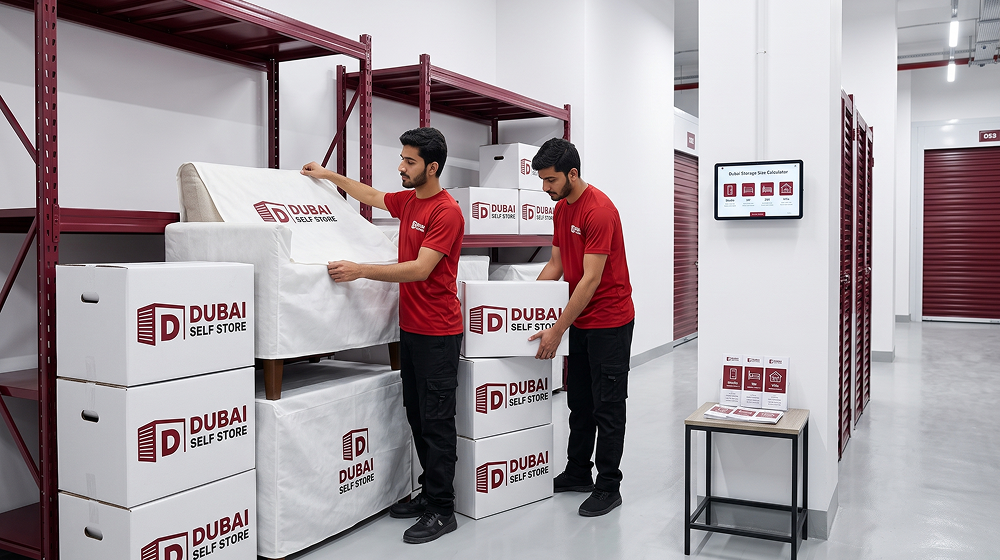
The size of a storage unit should match the volume and type of belongings being stored. Understanding available unit sizes helps customers avoid renting more space than necessary while ensuring there is enough room for their items.
Security is another important consideration when choosing a storage facility. Features such as controlled access, monitoring systems, and facility management practices help protect stored belongings and provide customers with confidence in their chosen storage solution.
What Factors Affect Self Storage Pricing in Dubai?
The price of self storage in Dubai is dependent on 5 main factors.
-
The size of the unit is the greatest cost driver. Usually, the units in Dubai are charged on a per square foot per month basis. Smaller units (25–50 sq ft) start from AED 150–300 per month. Mid-size units (100–150 sq ft) range between AED 500–900. For large commercial bays (300 m² or more) the rent is more than AED 2,000 per month, depending on location and specification.
-
A standard unit would cost 20-35% less than a unit that could be used for climate control. This is an important factor to consider in Dubai, as most renters will need temperature control for their goods.
-
The rent depends on the location in Dubai. The strip of land makes the difference between the rates of facilities in Al Quoz, Dubai Investment Park or Jebel Ali and those in Jumeirah, Business Bay or Downtown Dubai.
-
The length of the contract has an impact on the monthly fee. Discounts for long-term (6–12 month) commitments range from 10–20% off of rolling monthly rates.
-
24/7 access is slightly more expensive than business hours access.
Insurance will be an additional expense. Rental units need to be insured, either in the self storage unit itself or obtained from third party providers, by most Dubai self storage providers. The price of 100 sq ft contents insurance is usually AED 30-80 per month