Secure Self Storage in Dubai: 7 Security Features to Verify
Find secure self storage in Dubai by checking CCTV, alarms, access control, security staff, fire protection and other key safety features.
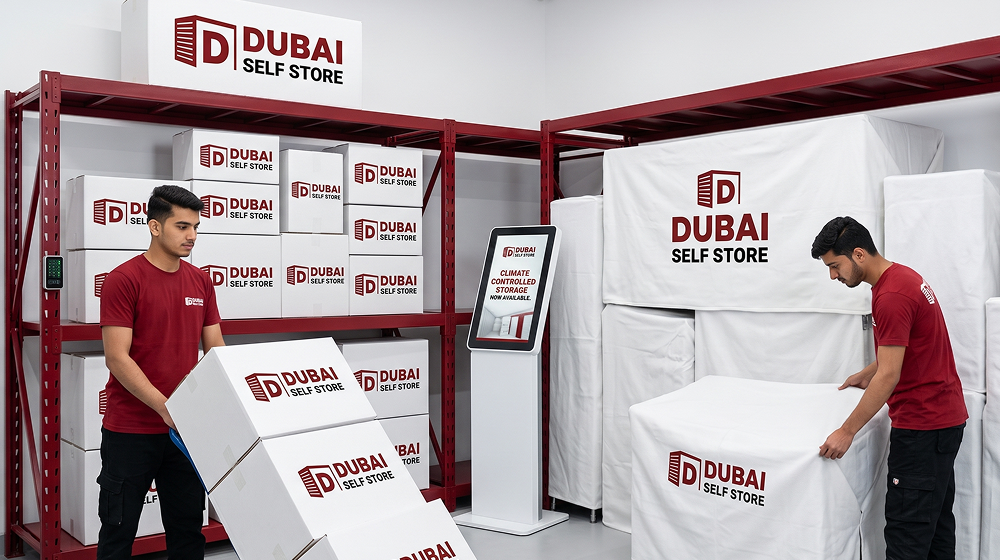
A secure self storage facility in Dubai may charge around AED 30–80 more per month for a 100 sq ft unit when enhanced security or premium protection features are included, although the exact premium varies by provider and what is bundled into the rental. The price matters, but security should not be judged by a CCTV sign at the entrance. Before handing over your belongings, check whether the facility combines cameras, individual alarms, controlled access, perimeter protection, trained personnel and fire safety measures.
That matters because storage security is about layers. A camera can record an incident, but it cannot stop someone from entering. An access-control system can restrict entry, but it works better when the facility also monitors who is coming and going. Fire detection protects against a completely different risk.The best facilities don’t rely on one feature. They build several controls around the belongings stored inside.
What Makes Self Storage Secure in Dubai?
Secure self storage starts with controlled access to the building and individual storage areas, supported by surveillance, alarms, lighting, fire protection and appropriate security staff. When comparing facilities, ask what is actually installed, how it operates and whether the provider can show evidence of the security measures rather than simply describing them in marketing language.
There is a useful distinction between security features and security claims. Saying a facility is “fully secure” tells you very little. Knowing that customers enter through controlled access points, cameras monitor common areas, individual units have alarms and access activity can be recorded gives you something concrete to assess. You should also consider what you are storing. A few boxes of clothes do not carry the same risk as business inventory, electronics, confidential records or expensive equipment. Security should match the value and importance of the items.
7 Security Features to Verify Before Renting
1. 24/7 CCTV Surveillance
Continuous CCTV coverage is one of the first things to check, but don’t stop at asking whether cameras exist. Ask where the cameras are positioned and whether the system operates around the clock.
A useful CCTV system should cover important areas such as entrances, exits, corridors, loading areas and other common parts of the facility. Cameras should also be positioned so that activity around access points can be monitored rather than simply pointing at a reception desk.
There is another question worth asking: How long are recordings retained? If an incident occurs, footage that has already been overwritten is of little help. The retention period can vary by facility and system, so it is reasonable to ask what the provider’s policy is. CCTV is a deterrent and an investigation tool. It is not a substitute for physical access controls.
2. Individual Unit Alarms
An individual alarm adds another layer of protection because it focuses on the storage unit itself rather than only monitoring the building. Ask whether alarms are assigned to individual units and what happens if one is triggered. Does the facility’s security team receive an alert? Is someone available to respond? Is the incident recorded?
This distinction matters. A building can have excellent CCTV while a unit has no separate alarm. In that situation, staff may only know something is wrong after reviewing footage or noticing a physical problem. For valuable belongings, an individual alarm can provide an additional layer between your possessions and unauthorized access.
3. Electronic Access Control With Audit Logs
A good access-control system should do more than unlock a door. Electronic systems using a PIN, access card, key fob or biometric identification can restrict who enters controlled areas. Some systems can also maintain records of access activity, creating an audit trail showing when authorized credentials were used. Ask the facility whether access records are maintained and who can enter the storage areas.Dubai facilities can also be assessed against the SIRA Security System Certification requirements, which cover conformity with the security specifications and requirements issued by the Security Industry Regulatory Agency.
This is particularly useful for businesses. If several employees have authorized access, a record of entry can provide greater accountability than a shared physical key. You should also ask what happens when someone no longer needs access. For example, if an employee leaves a company, can their access credentials be disabled immediately? Small detail. Big difference.
4. Controlled Perimeter and Entry Points
Security should begin before someone reaches your storage unit. Look at how people enter the property. Is there a controlled gate? Are vehicles and visitors managed? Are there clearly defined entry and exit points? Can unauthorized people simply walk into the storage area? A controlled perimeter reduces the number of people who can reach the building in the first place.
When visiting a facility, pay attention to practical details rather than just the sales conversation. Notice whether doors close properly, whether restricted areas are clearly separated and whether visitors are expected to identify themselves. A secure facility should make unauthorized access difficult, not merely inconvenient.
5. On-Site Security Personnel
Security personnel can provide something technology cannot: a human response. Cameras and alarms are valuable, but trained personnel can notice unusual activity, respond to incidents, assist customers and coordinate with emergency services when necessary.
Ask whether security staff are present around the clock or only during certain hours. “Security on site” can mean different things depending on the facility. If your storage provider says security personnel are available 24/7, ask how the service operates and whether there is a defined response procedure for alarms or emergencies. You don’t need a dramatic security operation. You need a facility where someone is responsible for responding when something goes wrong.
6. Fire Detection and Suppression
Security isn’t only about theft. Fire is another major risk for stored belongings, particularly when units contain furniture, packaging materials, documents and other combustible items. Ask what fire detection and suppression systems are installed and whether the facility maintains the required safety certifications and inspections.
For a Dubai facility, don’t be shy about asking for evidence of relevant Dubai Civil Defence fire and life safety requirements and approvals where applicable. A reputable operator should be able to explain the safety systems used at the facility and provide appropriate documentation when requested. Fire detection, alarms and suppression systems address a risk that CCTV simply cannot.
7. Full Corridor Lighting
Lighting sounds basic, but it is easy to overlook. Dark corridors, poorly lit entrances and unmonitored corners make a facility less comfortable for customers and can create avoidable security concerns. Good lighting makes movement easier to observe and helps cameras capture clearer footage.
Check the lighting throughout the facility rather than only around reception. If you visit during the daytime, ask what the facility looks like after dark. A storage site should remain adequately lit during its operating and access hours.
Security Feature Checklist
Before signing a storage contract, use this checklist during your facility visit or phone call.
| Security feature | What to verify | Why it matters |
|---|---|---|
| 24/7 CCTV | Camera coverage, monitoring and recording policy | Helps deter and investigate incidents |
| Individual alarms | Whether each unit has an alarm and how alerts are handled | Adds protection at unit level |
| Electronic access | PIN, card or biometric access | Limits unauthorized entry |
| Access logs | Whether entry activity is recorded | Adds accountability |
| Controlled perimeter | Gates, doors and visitor controls | Restricts access to the facility |
| Security personnel | Hours and response procedures | Provides human oversight |
| Fire protection | Detection, alarm and suppression systems | Protects against fire-related risks |
| Corridor lighting | Coverage throughout common areas | Improves visibility and safety |
Don’t feel awkward asking these questions. You’re not buying a box. You’re paying someone to keep your belongings in a controlled facility.
What Questions Should You Ask a Facility About Security?
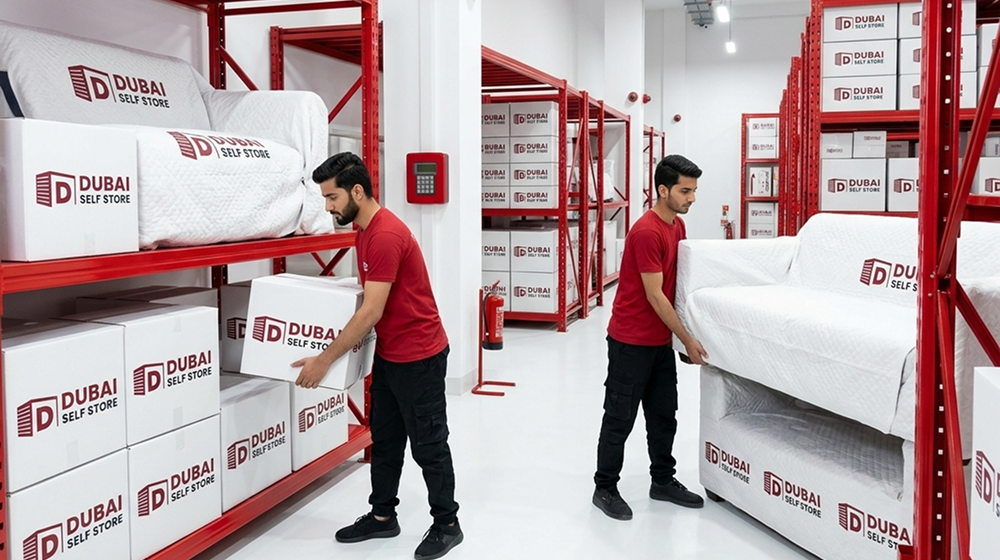
A quick security conversation can reveal much more than a website’s “highly secure” badge.
| Question to ask | What a useful answer should clarify |
|---|---|
| Is CCTV operating 24/7? | Whether cameras operate continuously |
| Which areas are covered? | Entrances, corridors, loading areas and common spaces |
| Are individual units alarmed? | Whether your specific unit has its own alarm |
| How is customer access controlled? | PIN, card, biometric or another method |
| Are access events recorded? | Whether entry activity creates an audit trail |
| Who monitors security alerts? | Staff responsibility and response process |
| Are security personnel on site? | Exact hours and coverage |
| What fire systems are installed? | Detection, alarms and suppression |
| Can you provide relevant safety documentation? | Evidence of compliance and inspections |
| What happens after an unauthorized access attempt? | The facility’s response procedure |
| What happens if an employee leaves? | Whether business access can be revoked |
| Is insurance included? | What the rental price actually covers |
If a provider cannot clearly explain basic security arrangements, take that seriously. You don’t necessarily need the facility with the most impressive list of equipment. You need one where the security system is understandable, maintained and consistently applied.
Who Needs the Highest Level of Storage Security?
Every renter benefits from good security, but some belongings justify paying closer attention to the details.
Businesses storing valuable inventory should check access controls, audit logs and staff procedures because multiple people may need access to the unit.
People storing electronics should pay attention to both unauthorized access and environmental conditions. Climate controlled storage in Dubai can provide additional protection for items affected by heat and humidity, something CCTV and access controls alone cannot address.
Customers storing important documents should consider controlled access and fire protection, particularly when the documents are difficult or impossible to replace.
Furniture and household storage customers should still verify the facility’s general security and fire systems, especially when belongings will remain there for several months.
If you’re storing irreplaceable personal items, think carefully about insurance as well. Security reduces the likelihood of loss, but it cannot eliminate every possible risk. That’s where insurance comes into the picture.
Does Better Security Cost Much More in Dubai?
Enhanced security can increase the rental price, but a premium of around AED 30–80 per month for a 100 sq ft unit is a useful budgeting range when comparing facilities with additional security features. The actual difference depends on what the provider includes in the base rental price, the unit type, storage conditions and the overall service package.
Don’t assume that a higher price automatically means better security. One provider may include CCTV, alarms, controlled access and security staff in the standard rental price. Another may advertise a lower unit price and charge separately for services or access features. Compare the complete package.
For example, a unit advertised at AED 500/month may initially look cheaper than one priced at AED 550/month. But if the first facility charges additional fees for access, security-related services or other requirements, the AED 50 difference may disappear. The better comparison is total monthly cost versus actual security and service provided.
Security and Insurance Are Not the Same Thing
This distinction is important. Security measures are designed to reduce the risk of theft, unauthorized access, fire and other incidents. Self storage insurance in Dubai deals with financial protection if a covered loss occurs, while security measures are designed to reduce the likelihood of that loss happening in the first place. One does not replace the other. Even a facility with CCTV, alarms and controlled access cannot guarantee that nothing will ever happen. Similarly, insurance does not make poor security acceptable. If you’re storing valuable belongings, ask what insurance is included, what isn’t covered and whether you need separate contents insurance.
Also check whether a policy uses new-for-old replacement or another method of calculating claims. New-for-old cover generally means an eligible item may be replaced with a new equivalent rather than being valued purely according to its depreciated second-hand value, subject to the policy’s terms and limits. Read the actual policy wording rather than relying on a salesperson’s summary.
Choose Security You Can Actually Verify
A secure storage facility should give you clear answers, not vague promises. Before renting, check the seven core areas: CCTV, individual alarms, electronic access control, controlled entry points, security personnel, fire protection and adequate lighting. Then ask what happens when an alarm is triggered, who can enter the facility and whether access activity is recorded.
For valuable or important belongings, look at insurance separately and check whether the policy offers suitable protection, including whether claims are handled on a new-for-old basis where applicable. At Dubai Self Store, you can ask about the facility’s security arrangements, available unit sizes, storage conditions and current pricing before choosing a unit. Request a quote and verify the security features that matter most for the belongings you’re planning to store.
Frequently Asked Questions
Is CCTV enough to make a storage facility secure?
No. CCTV is useful, but it is only one security layer. A stronger facility combines surveillance with controlled access, individual alarms, suitable lighting, perimeter controls, fire protection and appropriate security procedures.
Should every storage unit have an individual alarm?
For customers storing valuable belongings, an individual alarm is a useful feature to look for. It provides protection at the unit level rather than relying entirely on general building surveillance.
How can I verify that a storage facility is genuinely secure?
Visit the facility if possible and ask specific questions about CCTV coverage, access controls, alarms, security personnel, fire systems and access logs. Also ask for relevant safety or compliance documentation rather than relying solely on general claims.
Does insurance replace the need for security?
No. Insurance provides financial protection subject to the policy terms, while security measures reduce the chance of an incident happening in the first place. Ideally, valuable belongings should have both appropriate security and suitable insurance coverage.
Is a more expensive storage facility always safer?
Not necessarily. Price alone is a poor measure of security. Compare the actual features included in the rental, the facility’s procedures, access controls, fire protection and insurance arrangements before deciding.
What should businesses check before renting storage?
Businesses should pay particular attention to electronic access controls, access logs, employee permissions, alarm systems and the procedure for removing access when an employee leaves. Inventory-heavy businesses should also consider loading arrangements and how frequently staff need to retrieve stock.